
Who Am I?
Building work that connects
rigorous thinking
with clear impact
I work across engineering, business analysis, research, and design to solve problems in a way that is structured, credible, and useful. My approach blends technical depth with communication that decision-makers can actually act on.

Certificates & Credentials
Tools used across analytics, design, and engineering
Research Papers & Academic Outputs
Hours invested in research, analysis, and project delivery
Certificates & Credentials
Tools used across analytics, design, and engineering
Research Papers & Academic Outputs
Hours invested in research, analysis, and project delivery
Business Strategy
I translate complexity into structured decisions, whether the work involves process improvement or planning.
Analytics Insight
From dashboards and modeling to research synthesis and decision support, I focus on turning data into practical direction.
Energy
My engineering background helps me approach problems with rigor, long-term thinking, and real-world feasibility.
Design
I care deeply about clarity. Strong work should not only be correct, it should also be easy to understand, trust, and act on.
Business Strategy
I translate complexity into structured decisions, whether the work involves process improvement or planning.
Analytics Insight
From dashboards and modeling to research synthesis and decision support, I focus on turning data into practical direction.
Energy
My engineering background helps me approach problems with rigor, long-term thinking, and real-world feasibility.
Design
I care deeply about clarity. Strong work should not only be correct, it should also be easy to understand, trust, and act on.
Clarity. Structure. Depth.
A multidisciplinary approach to making complexity understandable and useful.
My background stems as a Chemical Engineering at Heriot-Watt University, where I developed a strong analytical foundation and was awarded the Deputy Principal Award for Outstanding Academic Performance. More importantly, it was where I began thinking more seriously about energy systems and their broader impact.
That interest led me into a Master’s in Renewable Energy Engineering. It was a demanding environment, and one that pushed me to think more precisely and work at a higher level. I graduated first in my program, receiving the Engineering and Physical Sciences Prize for Best Postgraduate Performance.
I shifted from understanding systems to understanding how decisions are made around them, an evolution that led me to pursue a Master of Business Administration (MBA). There, I focused on analytical work while consistently helping others make sense of complex ideas, alongside contributing to interdisciplinary research. I was selected as an Academic Leader for the BC MBA Games, graduated at the top of my class (GPA 4.21), and received the Decanal Award for Best Market Research, while also earning certifications as a Certified Scrum Master (CSM) and Lean Six Sigma Black Belt (LSSBB).
Clarity. Structure. Depth.
A multidisciplinary approach to making complexity understandable and useful.
My background stems as a Chemical Engineering at Heriot-Watt University, where I developed a strong analytical foundation and was awarded the Deputy Principal Award for Outstanding Academic Performance. More importantly, it was where I began thinking more seriously about energy systems and their broader impact.
That interest led me into a Master’s in Renewable Energy Engineering. It was a demanding environment, and one that pushed me to think more precisely and work at a higher level. I graduated first in my program, receiving the Engineering and Physical Sciences Prize for Best Postgraduate Performance.
I shifted from understanding systems to understanding how decisions are made around them, an evolution that led me to pursue a Master of Business Administration (MBA). There, I focused on analytical work while consistently helping others make sense of complex ideas, alongside contributing to interdisciplinary research. I was selected as an Academic Leader for the BC MBA Games, graduated at the top of my class (GPA 4.21), and received the Decanal Award for Best Market Research, while also earning certifications as a Certified Scrum Master (CSM) and Lean Six Sigma Black Belt (LSSBB).
Heriot-Watt University (HWU), Edinburgh Campus, U.K
Education
A timeline of my academic journey
MBA
Business strategy, analytics, and decision-making
Thompson Rivers University
Grade: 4.21/4.33
- Recipient of the TRU Decanal Award for Best Market Research 2024
- Academic Lead, BC MBA Games 2024
- Graduate Research & Teaching Assistant
MSc Renewable Energy Engineering
Advanced energy systems and technical-economic evaluation
Heriot-Watt University
Grade: 4.33/4.33
- Top Postgraduate Performer & EPS Prize Winner (Rank #1)
- Highest Overall Mark – Advanced Renewable Energy Project (CSP Power Tower)
- Highest Overall Mark – Heat Exchanger Design
BEng Chemical Engineering
Process thinking, technical analysis, and engineering fundamentals
Heriot-Watt University
Grade: 4.33/4.33
- Recipient of the Deputy Principal Award & Merit Scholarship for Academic Excellence
- Focused on Chemical Plant Design, Energy Optimisation & Sustainable Feedstocks
- Key Project: 1,4-Butanediol Plant using Sustainable Feedstock

Software & Tools
Data Analytics
Engineering/Design
Microsoft Suite
Education
A timeline of my academic journey
MBA
Business strategy, analytics, and decision-making
Thompson Rivers University
Grade: 4.21/4.33
- Recipient of the TRU Decanal Award for Best Market Research 2024
- Academic Lead, BC MBA Games 2024
- Graduate Research & Teaching Assistant
MSc Renewable Energy Engineering
Advanced energy systems and technical-economic evaluation
Heriot-Watt University
Grade: 4.33/4.33
- Top Postgraduate Performer & EPS Prize Winner (Rank #1)
- Highest Overall Mark – Advanced Renewable Energy Project (CSP Power Tower)
- Highest Overall Mark – Heat Exchanger Design
BEng Chemical Engineering
Process thinking, technical analysis, and engineering fundamentals
Heriot-Watt University
Grade: 4.33/4.33
- Recipient of the Deputy Principal Award & Merit Scholarship for Academic Excellence
- Focused on Chemical Plant Design, Energy Optimisation & Sustainable Feedstocks
- Key Project: 1,4-Butanediol Plant using Sustainable Feedstock
Software & Tools
Data Analytics
Engineering/Design
Featured Projects
BUSINESS ANALYTICS
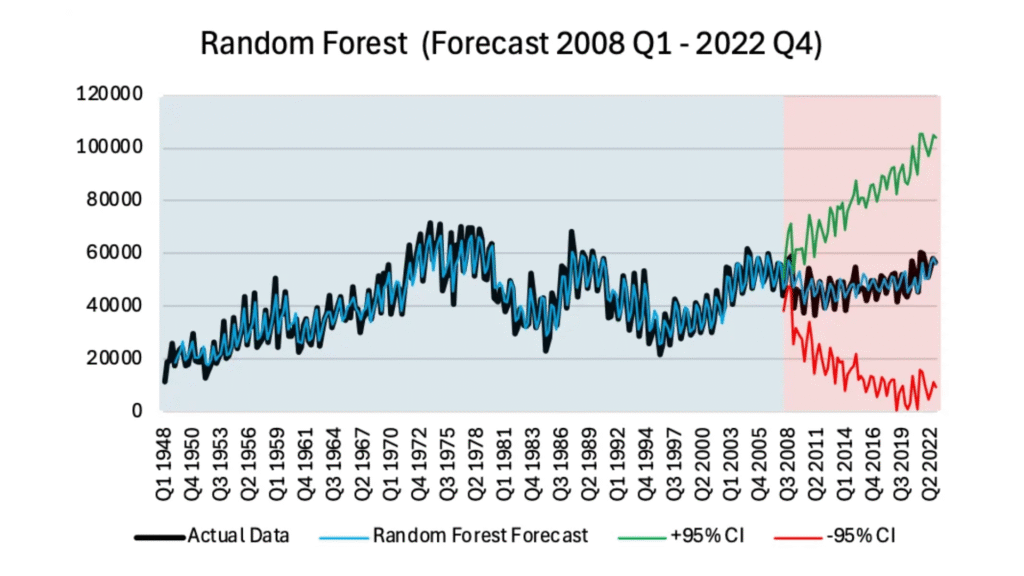
Forecasting using Machine learning
Forecasted Canadian housing completions using ETS, SARIMA, and Random Forest, finding RF most accurate, projecting ~55,360 units by 2025 amid supply gap.
BUSINESS ANALYTICS
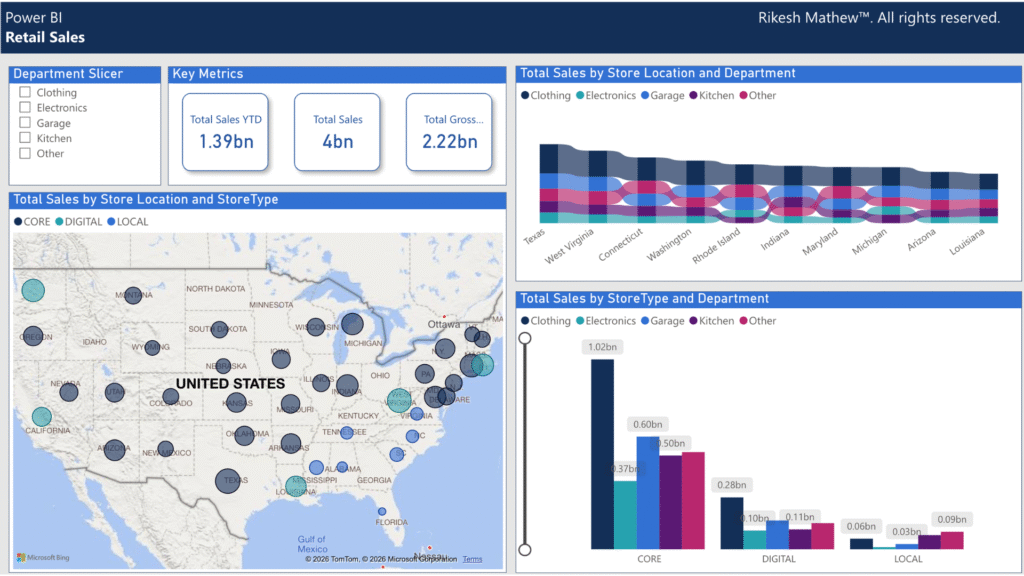
Power BI Dashboard
Designed interactive Power BI retail dashboard delivering KPI tracking, geospatial insights, and store performance analysis to drive data-driven decisions and strategy.
Business Analytics
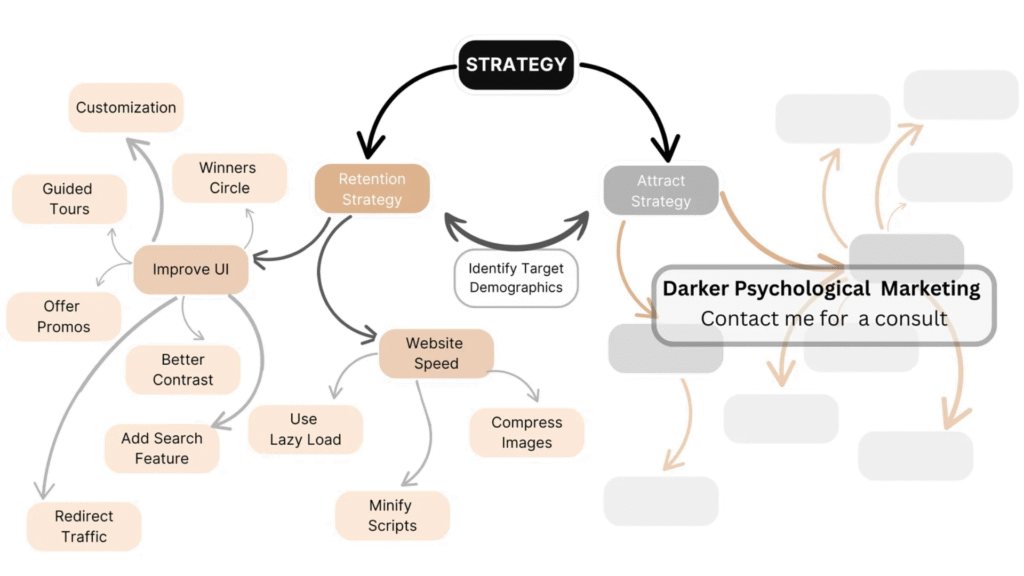
BCLC PlayNow or PlayLater
Analyzed BCLC PlayNow retention issues, identifying UX, performance, and strategy gaps, recommending data-driven improvements to reduce churn and increase engagement.
BUSINESS ANALYTICS
Forecasting using Machine learning
Forecasted Canadian housing completions using ETS, SARIMA, and Random Forest, finding RF most accurate, projecting ~55,360 units by 2025 amid supply gap.
BUSINESS ANALYTICS
Power BI Dashboard
Designed interactive Power BI retail dashboard delivering KPI tracking, geospatial insights, and store performance analysis to drive data-driven decisions and strategy.
BUSINESS ANALYTICS
BCLC PlayNow or PlayLater
Analyzed BCLC PlayNow retention issues, identifying UX, performance, and strategy gaps, recommending data-driven improvements to reduce churn and increase engagement.
Business
- Massachusetts Institute of Technology – Leading Awareness-Based Systems Change
- Corporate Finance Institute – Analyzing Growth Drivers & Business Risks
- Corporate Finance Institute – PowerPoint & Pitchbooks
- Corporate Finance Institute -Professional Ethics
- Corporate Finance Institute – Business Valuation Modeling
- University of California, Berkeley – Marketing Analytics: Marketing Measurement Strategy
- University of California, Berkeley – Marketing Analytics: Products, Distribution and Sales
- University of California, Berkeley – Marketing Analytics: Competitive Analysis and Market Segmentation
- New York Institute of Finance – Fundamentals of Market Structure
- Indian Institute of Management – Introduction to Managerial Economics
- Harvard Law School – ContractsX: From Trust to Promise to Contract
- University of British Columbia – Introduction to Marketing
Finance
- Corporate Finance Institute – Operational Modeling
- Corporate Finance Institute – Real Estate Financial Modeling
- Corporate Finance Institute – Renewable Energy: Solar Financial Modeling
- Corporate Finance Institute – Budgeting and Forecasting
- Corporate Finance Institute – FP&A Monthly Cash Flow Forecast Model
- Corporate Finance Institute – Building a 3 Statement Financial Model
- Corporate Finance Institute – Financial Analysis Fundamentals
- Corporate Finance Institute – Accounting Fundamentals
- Corporate Finance Institute – Corporate Finance
- Corporate Finance Institute – Excel Fundamentals – Formulas for Finance Fundamentals
- Corporate Finance Institute – Math for Corporate Finance
- Corporate Finance Institute – Reading Financial Statements
- Purdue University – Personal Finance
Engineering
- Reo – 3D Modeling and Energy Estimation using Helioscope
- Reo – Advanced understanding and Utility Scale applications of PVsyst
- Reo – 3D Modeling of a Solar Plant with SketchUp & Skelion
- Reo – Solar PV Layouts and SLD Drawings with AutoCAD
- Reo – Electrical Engineering & Design of a Solar Plant
- Reo – Solar PV Design and Energy Estimation with Pvsyst
- Aspen HYSYS – Basic Process Modelling
- SAChE – Risk Assessment
- Society of Petroleum Engineers – Measuring Sustainability Performance
- SAChE – Hazard Recognition
Project Management
- Simpliaxis – Certified Scrum Master (CSM®) Certification Training
- University of Virginia – Fundamentals of Project Planning and Management
- University of Adelaide – Introduction to Project Management
Data Analytics
- Microsoft – Office Fundamentals: Outlook, Word and Excel
- Microsoft – Introduction to Data Analysis using Excel
- Corporate Finance Institute – Data Analysis in Excel Specialization
- Corporate Finance Institute – Intermediate DAX & Time Intelligence
- Corporate Finance Institute – Power Pivot Fundamentals
- Corporate Finance Institute – Advanced Excel Formulas & Functions
- Corporate Finance Institute – Scenario & Sensitivity Analysis in Excel
- Corporate Finance Institute – Excel Fundamentals – Formulas for FinanceExcel Fundamentals – Formulas for Finance
- Corporate Finance Institute – Dashboards & Data Visualization
- Society of Petroleum Engineers – Programming for Engineers
- Programiz – Python Basics Challenges
- Programiz – Learn Python Basics
Others
- Diplôme d’études en langue française
- TCPS 2: Ethical Conduct for Research Involving Humans
- M1 – Industry 4.0: Clustering technical professionals using knowledge as a cluster variate in the context of sustainable global distribution channels. https://doi.org/10.1080/14778238.2026.2629896
- M2 – Using AI-enhanced learning tools: The effect of argument quality on information usefulness: Importance and performance (IPMA) with PLS-SEM and Necessary condition analysis (NCA) https://doi.org/10.1057/s41270-026-00464-4
- M3 – Distributor sustainability development: The role of stakeholder engagement, management support and workforce development
- M4 – Industry 4.0: Exploring the dynamics of trust, ambidexterity, and distributor sustainability on market performance in international distribution channels
- M5 – The impact of the level of deployment on dynamic and ordinary marketing capabilities: PLS-SEM and Necessary Condition Analysis (NCA)
- P1 – The need for influence: Interpretivists view on power behaviour of managers
H1: Enhancing cancer navigation for newly diagnosed, treated and post-treatment for people living with breast cancer in BC
- M1 – Industry 4.0: Clustering technical professionals using knowledge as a cluster variate in the context of sustainable global distribution channels. https://doi.org/10.1080/14778238.2026.2629896
- M2 – Using AI-enhanced learning tools: The effect of argument quality on information usefulness: Importance and performance (IPMA) with PLS-SEM and Necessary condition analysis (NCA) https://doi.org/10.1057/s41270-026-00464-4
- M3 – Distributor sustainability development: The role of stakeholder engagement, management support and workforce development
- M4 – Industry 4.0: Exploring the dynamics of trust, ambidexterity, and distributor sustainability on market performance in international distribution channels
- M5 – The impact of the level of deployment on dynamic and ordinary marketing capabilities: PLS-SEM and Necessary Condition Analysis (NCA)
- P1 – The need for influence: Interpretivists view on power behaviour of managers
H1: Enhancing cancer navigation for newly diagnosed, treated and post-treatment for people living with breast cancer in BC
A photovoltaic system, also PV system or solar power system, is a power system designed to supply usable solar power by means of photovoltaics. It consists of an arrangement of several components, including solar panels to absorb and convert sunlight into electricity, a solar inverter to convert the output from direct to alternating current, as well as mounting, cabling, and other electrical accessories to set up a working system.
It may also use a solar tracking system to improve the system’s overall performance and include an integrated battery solution, as prices for storage devices are expected to decline. Strictly speaking, a solar array only encompasses the ensemble of solar panels, the visible part of the PV system, and does not include all the other hardware, often summarized as balance of system (BOS). As PV systems convert light directly into electricity, they are not to be confused with other solar technologies, such as concentrated solar power or solar thermal, used for heating and cooling.
PV systems range from small, rooftop-mounted or building-integrated systems with capacities from a few to several tens of kilowatts, to large utility-scale power stations of hundreds of megawatts. Nowadays, most PV systems are grid-connected, while off-grid or stand-alone systems account for a small portion of the market.
Operating silently and without any moving parts or environmental emissions, PV systems have developed from being niche market applications into a mature technology used for mainstream electricity generation. A rooftop system recoups the invested energy for its manufacturing and installation within 0.7 to 2 years and produces about 95 percent of net clean renewable energy over a 30-year service lifetime.[1]:30[2][3]
Due to the growth of photovoltaics, prices for PV systems have rapidly declined since their introduction. However, they vary by market and the size of the system. In 2014, prices for residential 5-kilowatt systems in the
United States were around $3.29 per watt,[4] while in the highly penetrated German market, prices for rooftop systems of up to 100 kW declined to €1.24 per watt.[5] Nowadays, solar PV modules account for less than half of the system’s overall cost,[6] leaving the rest to the remaining BOS-components and to soft costs, which include customer acquisition, permitting, inspection and interconnection, installation labor and financing costs.[7]:14
A photovoltaic system, also PV system or solar power system, is a power system designed to supply usable solar power by means of photovoltaics. It consists of an arrangement of several components, including solar panels to absorb and convert sunlight into electricity, a solar inverter to convert the output from direct to alternating current, as well as mounting, cabling, and other electrical accessories to set up a working system.
It may also use a solar tracking system to improve the system’s overall performance and include an integrated battery solution, as prices for storage devices are expected to decline. Strictly speaking, a solar array only encompasses the ensemble of solar panels, the visible part of the PV system, and does not include all the other hardware, often summarized as balance of system (BOS). As PV systems convert light directly into electricity, they are not to be confused with other solar technologies, such as concentrated solar power or solar thermal, used for heating and cooling.
PV systems range from small, rooftop-mounted or building-integrated systems with capacities from a few to several tens of kilowatts, to large utility-scale power stations of hundreds of megawatts. Nowadays, most PV systems are grid-connected, while off-grid or stand-alone systems account for a small portion of the market.
Operating silently and without any moving parts or environmental emissions, PV systems have developed from being niche market applications into a mature technology used for mainstream electricity generation. A rooftop system recoups the invested energy for its manufacturing and installation within 0.7 to 2 years and produces about 95 percent of net clean renewable energy over a 30-year service lifetime.[1]:30[2][3]
Due to the growth of photovoltaics, prices for PV systems have rapidly declined since their introduction. However, they vary by market and the size of the system. In 2014, prices for residential 5-kilowatt systems in the
United States were around $3.29 per watt,[4] while in the highly penetrated German market, prices for rooftop systems of up to 100 kW declined to €1.24 per watt.[5] Nowadays, solar PV modules account for less than half of the system’s overall cost,[6] leaving the rest to the remaining BOS-components and to soft costs, which include customer acquisition, permitting, inspection and interconnection, installation labor and financing costs.[7]:14
A photovoltaic system, also PV system or solar power system, is a power system designed to supply usable solar power by means of photovoltaics. It consists of an arrangement of several components, including solar panels to absorb and convert sunlight into electricity, a solar inverter to convert the output from direct to alternating current, as well as mounting, cabling, and other electrical accessories to set up a working system.
It may also use a solar tracking system to improve the system’s overall performance and include an integrated battery solution, as prices for storage devices are expected to decline. Strictly speaking, a solar array only encompasses the ensemble of solar panels, the visible part of the PV system, and does not include all the other hardware, often summarized as balance of system (BOS). As PV systems convert light directly into electricity, they are not to be confused with other solar technologies, such as concentrated solar power or solar thermal, used for heating and cooling.
PV systems range from small, rooftop-mounted or building-integrated systems with capacities from a few to several tens of kilowatts, to large utility-scale power stations of hundreds of megawatts. Nowadays, most PV systems are grid-connected, while off-grid or stand-alone systems account for a small portion of the market.
Operating silently and without any moving parts or environmental emissions, PV systems have developed from being niche market applications into a mature technology used for mainstream electricity generation. A rooftop system recoups the invested energy for its manufacturing and installation within 0.7 to 2 years and produces about 95 percent of net clean renewable energy over a 30-year service lifetime.[1]:30[2][3]
Due to the growth of photovoltaics, prices for PV systems have rapidly declined since their introduction. However, they vary by market and the size of the system. In 2014, prices for residential 5-kilowatt systems in the
United States were around $3.29 per watt,[4] while in the highly penetrated German market, prices for rooftop systems of up to 100 kW declined to €1.24 per watt.[5] Nowadays, solar PV modules account for less than half of the system’s overall cost,[6] leaving the rest to the remaining BOS-components and to soft costs, which include customer acquisition, permitting, inspection and interconnection, installation labor and financing costs.[7]:14
A photovoltaic system, also PV system or solar power system, is a power system designed to supply usable solar power by means of photovoltaics. It consists of an arrangement of several components, including solar panels to absorb and convert sunlight into electricity, a solar inverter to convert the output from direct to alternating current, as well as mounting, cabling, and other electrical accessories to set up a working system.
It may also use a solar tracking system to improve the system’s overall performance and include an integrated battery solution, as prices for storage devices are expected to decline. Strictly speaking, a solar array only encompasses the ensemble of solar panels, the visible part of the PV system, and does not include all the other hardware, often summarized as balance of system (BOS). As PV systems convert light directly into electricity, they are not to be confused with other solar technologies, such as concentrated solar power or solar thermal, used for heating and cooling.
PV systems range from small, rooftop-mounted or building-integrated systems with capacities from a few to several tens of kilowatts, to large utility-scale power stations of hundreds of megawatts. Nowadays, most PV systems are grid-connected, while off-grid or stand-alone systems account for a small portion of the market.
Operating silently and without any moving parts or environmental emissions, PV systems have developed from being niche market applications into a mature technology used for mainstream electricity generation. A rooftop system recoups the invested energy for its manufacturing and installation within 0.7 to 2 years and produces about 95 percent of net clean renewable energy over a 30-year service lifetime.[1]:30[2][3]
Due to the growth of photovoltaics, prices for PV systems have rapidly declined since their introduction. However, they vary by market and the size of the system. In 2014, prices for residential 5-kilowatt systems in the
United States were around $3.29 per watt,[4] while in the highly penetrated German market, prices for rooftop systems of up to 100 kW declined to €1.24 per watt.[5] Nowadays, solar PV modules account for less than half of the system’s overall cost,[6] leaving the rest to the remaining BOS-components and to soft costs, which include customer acquisition, permitting, inspection and interconnection, installation labor and financing costs.[7]:14
A photovoltaic system, also PV system or solar power system, is a power system designed to supply usable solar power by means of photovoltaics. It consists of an arrangement of several components, including solar panels to absorb and convert sunlight into electricity, a solar inverter to convert the output from direct to alternating current, as well as mounting, cabling, and other electrical accessories to set up a working system.
It may also use a solar tracking system to improve the system’s overall performance and include an integrated battery solution, as prices for storage devices are expected to decline. Strictly speaking, a solar array only encompasses the ensemble of solar panels, the visible part of the PV system, and does not include all the other hardware, often summarized as balance of system (BOS). As PV systems convert light directly into electricity, they are not to be confused with other solar technologies, such as concentrated solar power or solar thermal, used for heating and cooling.
PV systems range from small, rooftop-mounted or building-integrated systems with capacities from a few to several tens of kilowatts, to large utility-scale power stations of hundreds of megawatts. Nowadays, most PV systems are grid-connected, while off-grid or stand-alone systems account for a small portion of the market.
Operating silently and without any moving parts or environmental emissions, PV systems have developed from being niche market applications into a mature technology used for mainstream electricity generation. A rooftop system recoups the invested energy for its manufacturing and installation within 0.7 to 2 years and produces about 95 percent of net clean renewable energy over a 30-year service lifetime.[1]:30[2][3]
Due to the growth of photovoltaics, prices for PV systems have rapidly declined since their introduction. However, they vary by market and the size of the system. In 2014, prices for residential 5-kilowatt systems in the
United States were around $3.29 per watt,[4] while in the highly penetrated German market, prices for rooftop systems of up to 100 kW declined to €1.24 per watt.[5] Nowadays, solar PV modules account for less than half of the system’s overall cost,[6] leaving the rest to the remaining BOS-components and to soft costs, which include customer acquisition, permitting, inspection and interconnection, installation labor and financing costs.[7]:14
A photovoltaic system, also PV system or solar power system, is a power system designed to supply usable solar power by means of photovoltaics. It consists of an arrangement of several components, including solar panels to absorb and convert sunlight into electricity, a solar inverter to convert the output from direct to alternating current, as well as mounting, cabling, and other electrical accessories to set up a working system.
It may also use a solar tracking system to improve the system’s overall performance and include an integrated battery solution, as prices for storage devices are expected to decline. Strictly speaking, a solar array only encompasses the ensemble of solar panels, the visible part of the PV system, and does not include all the other hardware, often summarized as balance of system (BOS). As PV systems convert light directly into electricity, they are not to be confused with other solar technologies, such as concentrated solar power or solar thermal, used for heating and cooling.
PV systems range from small, rooftop-mounted or building-integrated systems with capacities from a few to several tens of kilowatts, to large utility-scale power stations of hundreds of megawatts. Nowadays, most PV systems are grid-connected, while off-grid or stand-alone systems account for a small portion of the market.
Operating silently and without any moving parts or environmental emissions, PV systems have developed from being niche market applications into a mature technology used for mainstream electricity generation. A rooftop system recoups the invested energy for its manufacturing and installation within 0.7 to 2 years and produces about 95 percent of net clean renewable energy over a 30-year service lifetime.[1]:30[2][3]
Due to the growth of photovoltaics, prices for PV systems have rapidly declined since their introduction. However, they vary by market and the size of the system. In 2014, prices for residential 5-kilowatt systems in the
United States were around $3.29 per watt,[4] while in the highly penetrated German market, prices for rooftop systems of up to 100 kW declined to €1.24 per watt.[5] Nowadays, solar PV modules account for less than half of the system’s overall cost,[6] leaving the rest to the remaining BOS-components and to soft costs, which include customer acquisition, permitting, inspection and interconnection, installation labor and financing costs.[7]:14
Looking for someone who can move from technical depth to strategic clarity?
Explore the work in more depth, learn more about my background, or get in touch.